
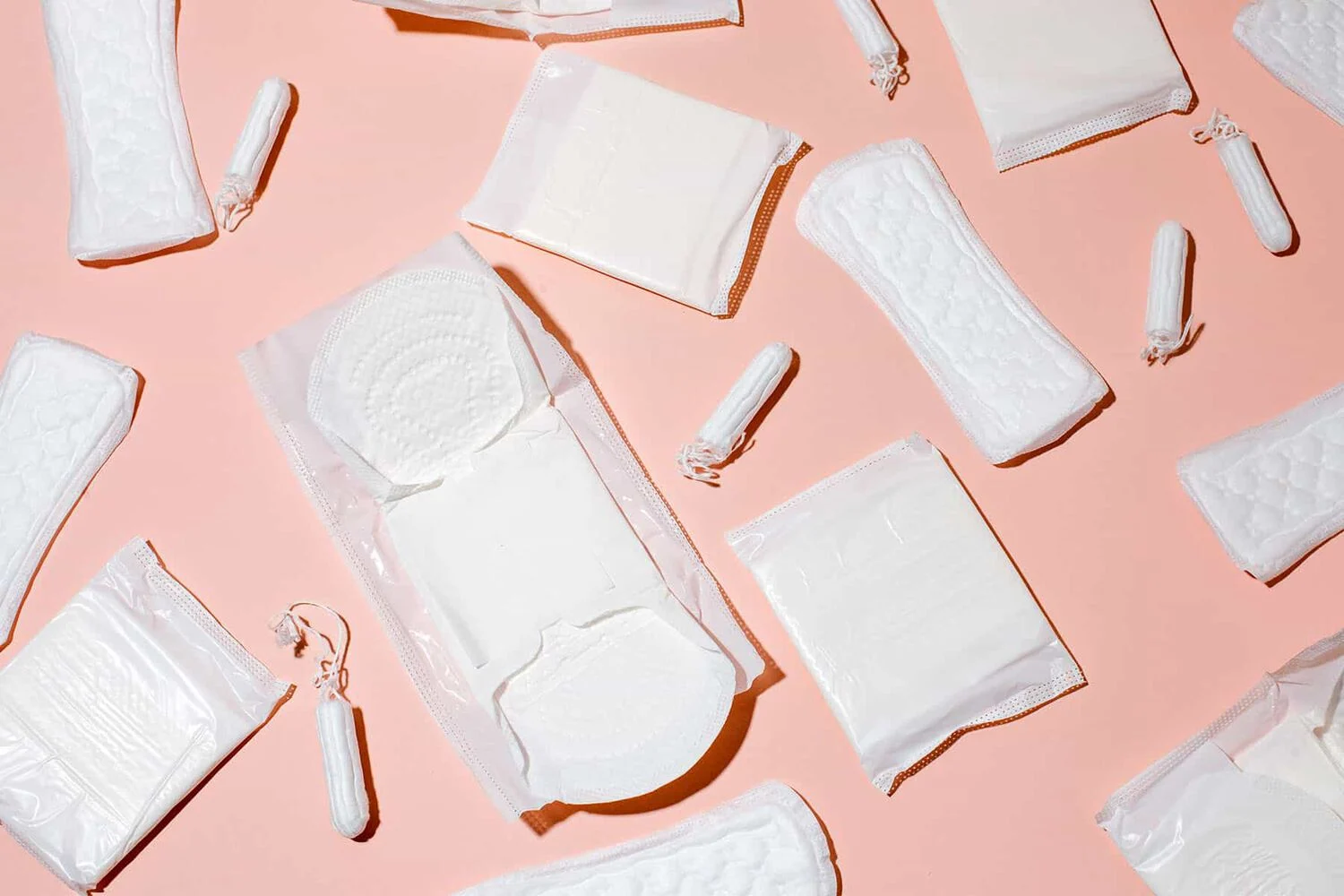
Once upon a time, the topic of menstruation was shrouded in secrecy and regarded as sensitive by society. Menstruation, or simply known as a period, is the natural monthly flow of blood from a woman’s body. Due to the stigma surrounding this biological cycle, women have coined code names and jargons to discreetly refer to their periods, such as “surfing the crimson wave” or “shark week.”
Fortunately, there are various period products available to assist women in continuing their normal lives during this time. For those in a comfortable financial position, the options range from absorbency levels, cost, and eco-friendliness. However, it’s crucial to address period poverty, which refers to the inadequate access to period products and information. Women affected by period poverty often resort to using toilet paper or cloth as makeshift solutions to prevent leakage.
Among the widely known and commonly used menstrual products are pads and tampons. However, there are several other options worth exploring. Let’s dive into the world of period products and their uses.
PADS: THE TRUSTY COMPANIONS
Pads come in two main types: disposable and reusable. Disposable pads, although not environmentally friendly, are the most commonly used products. They are attached to the underwear to absorb menstrual blood. It is essential to change and discard them every 3-4 hours, regardless of whether you experience light or heavy bleeding, to prevent bacterial growth and odor. Some versions include ultra-thin, extra-long, normal flow, and heavy flow pads, each serving different needs. Always check the expiration date on the package to ensure you are not using an expired product. Some individuals may experience skin irritations with disposable pads and may prefer alternative options.
Reusable pads, on the other hand, offer a sustainable solution. They can be washed and reused multiple times, making them better for the environment. Although not as widely popular as disposable pads, reusable pads are gaining recognition and acceptance. They are worn in the same way as disposable pads, attached to the underwear using clips or Velcro. They come in light, medium, and heavy flow versions. In regions where disposable pads are financially burdensome, reusable pads provide a cost-effective alternative.
Inset: A reusable pad
To maintain hygiene, reusable pads must be washed thoroughly and properly dried to minimize the risk of bacterial infections. Ensuring they are completely dry is crucial, as bacteria cannot thrive in a dry environment.
TAMING THE FLOW WITH TAMPONS
Tampons are another commonly used period product, coming in as a close second to pads. Inserted into the vaginal canal, tampons absorb menstrual blood and must be changed every 4-8 hours. It is crucial to wash your hands before and after inserting a tampon to reduce the spread of bacteria. Various tampon types exist, differing in absorbency levels. It is advisable to avoid using highly absorbent tampons when not menstruating, as this can lead to Toxic Shock Syndrome (TSS), a rare but potentially fatal condition caused by certain strains of bacteria entering the bloodstream.
Inset: A tampon in its applicator (left), a tampon out of the applicator (right)
If you prefer using tampons but experience symptoms such as fever, fainting, vomiting, or diarrhea during or after your period, seeking medical attention is advisable. It is a common misconception that tampons can get lost inside the body. Rest assured, tampons cannot travel from the vaginal canal to other parts of the body, and they even make swimming during your period more convenient.
MENSTRUAL CUPS: A SUSTAINABLE ALTERNATIVE
Menstrual cups offer a different approach. These bell-shaped devices are inserted into the vagina to collect menstrual blood. They are one of the most eco-friendly and wallet-friendly options, as they can last for up to a decade if handled properly. Made of flexible materials like silicone or latex, menstrual cups require practice to ensure correct insertion.
Inset: Different kinds of menstrual cups
It is crucial not to wear a menstrual cup for more than 12 hours, though the cup may need emptying more frequently depending on your flow. It may take a few cycles to determine the ideal emptying frequency. Initially, the cup may need emptying every few hours on the first and second day, but towards the end of your period, you might be able to leave it in for the full 8 hours. During the learning period, it’s advisable to wear backup pads or liners to prevent any unexpected leakage. You can determine if the cup is full by feeling a bubbling sensation in your vagina or a heavy feeling in the pelvic area. After emptying the cup, ensure it is thoroughly washed for the next menstrual cycle.
THE VERSATILITY OF MENSTRUAL DISCS
Similar to menstrual cups, menstrual discs are insertable devices. Placed at the base of the cervix, these discs collect menstrual blood. Although not reusable or budget-friendly, menstrual discs offer the advantage of being suitable for activities such as swimming and intercourse during your period. Like menstrual cups, it’s essential to wash your hands before and after insertion. Empty the contents into the toilet and discard the disc in the trash after use.
Inset: A Menstrual Disc
UNLEASH YOUR CONFIDENCE WITH PERIOD-PROOF UNDERWEAR
Period-proof underwear, resembling regular underwear, features a special absorbent layer that prevents leakages. Some individuals choose to wear this product alone, while others pair it with another period product, depending on the heaviness of their flow.
Inset: Period underwear showing the absorbent middle layer
In conclusion, period products play a vital role in the lives of menstruating individuals. It is concerning when access to these products is limited. Maintaining good menstrual hygiene is crucial during this time. Always ensure your hands are clean before using period products and dispose of them properly. Choose a product based on factors such as absorbency, cost, comfort, and material that works best for you.
Let’s break the barriers, ignite conversations, and embrace the menstrual journey together!
References
“Reusable Sanitary Pads.” Trade to Aid. (n.d.). Retrieved from https://www.tradetoaid.org/product/reusable-sanitary-pads/

